Proven Strategies for Effective Team Management

Have you ever been part of a team where everyone was busy—but nothing truly moved forward? Deadlines slipped. Messages got lost. Meetings felt long and unproductive. Everyone worked hard, yet results were slow.
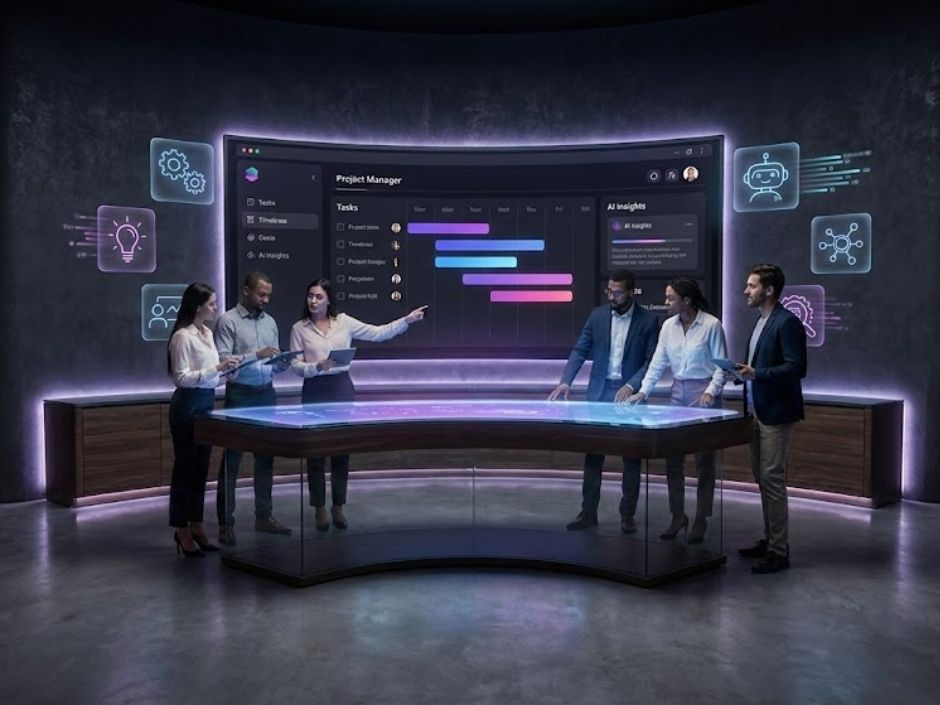
Now imagine the opposite. A team where goals are clear, communication flows smoothly, tasks are tracked in real time, and AI quietly supports every decision behind the scenes. Work feels organized. People feel confident. Results improve.
That difference is not luck. It is effective team management.
In today’s digital world, especially in the age of AI, managing teams is no longer about supervision—it is about clarity, systems, and smart tools. This article explores three proven strategies for effective team management, explains how AI strengthens each strategy, and shows why tools like ClickUp can transform the way modern teams operate.
If you are leading a startup, managing a corporate department, running an agency, or building a nonprofit, this guide is for you.

Master Clear Communication: The Backbone of Team Leadership Tips
Clear communication is the foundation of any successful team. Without it, confusion reigns, deadlines slip, and morale drops. I always start by setting expectations upfront. What are the goals? What’s the timeline? Who’s responsible for what? When everyone knows their role and the bigger picture, they work with purpose.
Here’s how to nail communication:
Be concise and direct. Avoid jargon and long-winded explanations.
Use multiple channels. Combine emails, meetings, and instant messaging to keep everyone in the loop.
Encourage feedback. Create a safe space where team members can ask questions or voice concerns.
Regular check-ins. Weekly or bi-weekly meetings help track progress and address issues early.
For example, in one project, I introduced a daily 10-minute stand-up meeting. It was brief but effective. Everyone shared what they were working on and any blockers. This simple habit kept the team aligned and problems surfaced quickly.

Build Trust and Empower Your Team
Trust is the secret sauce of high-performing teams. When people trust their leader and each other, they take ownership and innovate. I focus on empowering my team by giving them autonomy and recognizing their efforts.
Here’s what works:
Delegate meaningfully. Assign tasks that challenge your team members and match their strengths.
Avoid micromanaging. Trust them to deliver and be available for support, not control.
Celebrate wins. Publicly acknowledge achievements, big or small.
Support growth. Encourage learning and provide resources for skill development.
In one case, I handed over a critical client presentation to a junior team member. I coached them beforehand but let them lead the meeting. The confidence boost was incredible, and the client was impressed. That’s the power of trust.

What are the four stages of team management?
Understanding the natural progression of a team helps you lead more effectively. Teams typically go through four stages:
Forming: The team meets and learns about the project and each other.
Storming: Conflicts arise as personalities clash and roles are tested.
Norming: The team settles into routines and starts collaborating smoothly.
Performing: The team works efficiently toward goals with high trust and autonomy.
Recognizing these stages allows you to tailor your leadership style. For example, during the storming phase, be patient and mediate conflicts. In the performing stage, step back and let the team shine.
I once led a startup team through these phases. Early on, tensions flared over responsibilities. By facilitating open discussions and clarifying roles, we moved into norming quickly. The result? A motivated team that delivered ahead of schedule.

Leverage Technology to Streamline Teamwork
In today’s digital world, technology is a game-changer for team leadership. Tools for project management, communication, and automation can save time and reduce errors. I always recommend integrating the right tech stack to fit your team’s needs.
Some practical tools include:
Project management software like Trello, Asana, or Jira to track tasks and deadlines.
Communication platforms such as Slack or Microsoft Teams for instant messaging.
Automation tools to handle repetitive tasks and free up time for creative work.
For instance, automating status updates and reminders helped my team focus on problem-solving instead of chasing progress reports. It also improved transparency and accountability.
If you want to explore how technology can enhance your team’s efficiency, check out team management solutions tailored for businesses of all sizes.
Keep Motivation High with Clear Goals and Recognition
Motivation drives performance. Without it, even the best teams falter. I make it a point to set clear, achievable goals and celebrate milestones. This keeps energy levels up and fosters a positive culture.
Here’s how to keep motivation alive:
Set SMART goals (Specific, Measurable, Achievable, Relevant, Time-bound).
Break big projects into smaller tasks to create a sense of progress.
Recognize individual and team efforts regularly.
Encourage work-life balance to prevent burnout.
One of my favorite tactics is to hold monthly “shout-out” sessions where team members praise each other’s contributions. It builds camaraderie and boosts morale.
The Role of Leadership in AI-Powered Teams
Tools alone do not create success. Leadership mindset matters.
Modern leaders must:
Encourage transparency
Embrace AI
Promote accountability
Focus on outcomes, not hours
AI does not replace managers. It enhances them.
ClickUp and Its Role in Effective Team Management
Managing teams today requires more than just assigning tasks. Leaders need a system that helps teams stay organized, communicate clearly, and make better decisions. This is where ClickUp becomes useful.
It is an AI-powered project management platform that helps teams manage work in one place. From planning projects to tracking progress, ClickUp supports managers in leading teams more effectively.
How ClickUp Supports the Three Strategies
1. Improves Team Structure: ClickUp organizes work into tasks, lists, and projects so everyone understands their responsibilities. Managers can assign work, set deadlines, and track progress easily.

2. Strengthens Communication: Teams can discuss tasks, share updates, and collaborate inside the platform. This reduces confusion and keeps everyone aligned.

3. Supports Data-Driven Decisions with AI: ClickUp AI helps summarize updates, track performance, and identify delays early. This helps managers make better decisions and improve team productivity.

Why Teams Prefer ClickUp
Many teams prefer ClickUp because it combines project management, communication, and AI insights in one platform. It saves time, reduces tool switching, and makes team management more efficient.
If you want to learn more about ClickUp and AI-powered project management, you can connect with Yasir Ali Warraich on LinkedIn.
ClickUp vs Other Team Management Tools
There are many team management platforms available today. Some focus on task tracking. Others emphasize collaboration. Some provide strong reporting features.
However, most tools specialize in one area.
ClickUp stands out because it combines:
Task management
Team communication
Goal tracking
CRM functionality
Workflow automation
AI-powered analytics
While other tools may perform well in isolated areas, ClickUp delivers a complete ecosystem for team management.
Here's the full Comparison of ClickUp with other tools.
Real-World Impact of Effective Team Management
Organizations that adopt structured, AI-supported management systems experience:
Faster project delivery
Higher employee satisfaction
Reduced burnout
Improved communication
Better decision-making
When teams operate with clarity and intelligence, performance improves naturally.
Conclusion
Effective team management is not complicated—but it requires intention.
The three proven strategies are simple:
Create clear structure and shared visibility.
Strengthen communication and collaboration.
Use data and AI to make smarter decisions.
When supported by powerful tools like ClickUp, these strategies become easier to implement and scale.
In the age of AI, teams that embrace intelligent systems will move faster, think smarter, and deliver better results.
The future of project management is not just digital—it is intelligent.
And the teams that adopt AI today will lead tomorrow.
Curious how this can work for your team? Reach out for a personalized walkthrough.


Comments